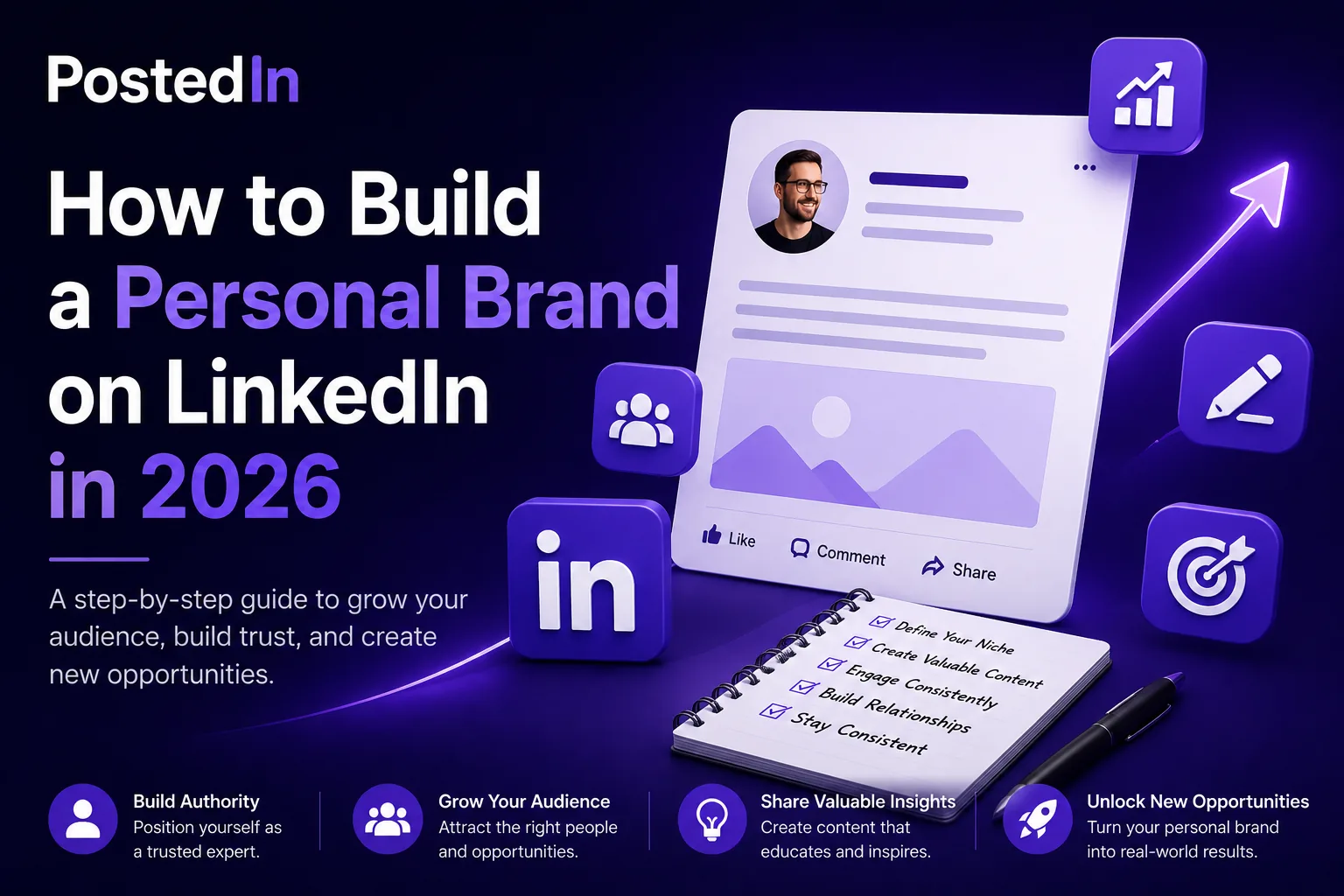
How to Build a Personal Brand on LinkedIn in 2026
LinkedIn has become much more than a job-search platform. Today, it is one of the most powerful channels for building a personal brand, growing an audience, and creating professional opportunities. Whether you're a founder, marketer, recruiter, consultant, or job seeker, a strong LinkedIn presence can help you attract clients, job offers, partnerships, and industry recognition. In this guide, you'll learn how to build a personal brand on LinkedIn in 2026 and create a content strategy that supports long-term growth.
What Is Personal Branding on LinkedIn?
Personal branding is the process of intentionally shaping how people perceive you online. On LinkedIn, your personal brand is built through:
- Your profile
- Your content
- Your expertise
- Your interactions with others
- The consistency of your messaging
A strong personal brand helps people associate you with a specific topic, skill, or industry. For example:
- Marketing
- SaaS
- Recruitment
- Sales
- AI
- Entrepreneurship
The more consistently you publish around a topic, the easier it becomes for people to remember and trust you.
Why Personal Branding Matters in 2026
The competition for attention is higher than ever. People increasingly trust individuals more than company pages. A strong personal brand can help you:
- Generate leads
- Attract job opportunities
- Build authority
- Grow your network
- Increase visibility
- Create new business opportunities
Many founders and professionals now generate more opportunities from LinkedIn than from traditional networking events.
Step 1: Optimize Your LinkedIn Profile
Before creating content, make sure your profile clearly communicates who you are and what you do. Focus on:
Professional Profile Photo
Use a high-quality image with good lighting.
Headline
Avoid generic headlines. Instead of:
Marketing Specialist
Try:
Helping SaaS companies grow through SEO, content marketing, and paid ads.
About Section
Explain:
- What you do
- Who you help
- What results you create
Keep it clear and easy to understand.
Step 2: Define Your Content Pillars
Many people struggle with consistency because they publish random topics. Choose 3-5 content pillars. For example:
Marketing
- SEO
- Google Ads
- Social Media
Entrepreneurship
- Startup lessons
- Growth experiments
- Product building
Personal Development
- Productivity
- Learning
- Career growth
Content pillars help you build authority around specific topics.
Step 3: Publish Consistently
Consistency is more important than perfection. Publishing three times per week for a year is usually more effective than publishing daily for two weeks and then disappearing. Create a realistic schedule and stick to it. Examples:
- Monday: Educational content
- Wednesday: Personal experience
- Friday: Industry opinion
Consistency builds familiarity and trust.
Step 4: Share Real Experiences
The best LinkedIn content often comes from real experiences. Instead of only sharing advice, share:
- Lessons learned
- Mistakes
- Wins
- Experiments
- Behind-the-scenes stories
People connect with authentic experiences more than generic tips.
Step 5: Engage With Others
Personal branding isn't only about posting. Commenting on relevant posts can significantly increase your visibility. Try to leave thoughtful comments that add value to the conversation. Quality engagement often leads to profile visits and new connections.
Step 6: Use AI to Stay Consistent
One of the biggest challenges in personal branding is maintaining a regular publishing schedule. AI-powered content tools can help with:
- Idea generation
- Draft creation
- Content planning
- Scheduling
- Publishing
Platforms such as PostedIn help professionals create LinkedIn content more efficiently by combining content generation, audience targeting, scheduling, and publishing into a single workflow. The goal is not to replace your voice but to make content creation more sustainable.
Common Personal Branding Mistakes
Avoid these common mistakes:
Posting Without a Strategy
Random content rarely builds authority.
Copying Other Creators
Your personal brand should reflect your own experiences and perspective.
Giving Up Too Early
Most people stop posting before seeing meaningful results.
Focusing Only on Likes
The goal is not viral content. The goal is building credibility and attracting opportunities.
Best Tools for LinkedIn Personal Branding
Several tools can help improve your workflow:
- PostedIn
- Taplio
- MagicPost
- AuthoredUp
- Canva
The best choice depends on your goals, workflow, and content strategy.
Final Thoughts
Building a personal brand on LinkedIn takes time, but the long-term benefits can be significant. Focus on creating valuable content, sharing authentic experiences, and publishing consistently. Over time, your audience will begin to associate you with specific topics and expertise. The most successful LinkedIn creators are not necessarily the most talented writers. They are often the most consistent. Start small, stay consistent, and continue refining your content strategy as you grow.
Frequently Asked Questions
How long does it take to build a personal brand on LinkedIn?
Most professionals start seeing meaningful results within three to six months of consistent posting and engagement.
How often should I post on LinkedIn?
For most users, two to five posts per week is a sustainable frequency.
Is LinkedIn personal branding worth it?
Yes. A strong personal brand can help generate leads, attract career opportunities, and establish authority in your industry.
Can AI help with LinkedIn personal branding?
Yes. AI tools can assist with idea generation, drafting, scheduling, and content planning while allowing users to maintain their own voice and expertise.
Related articles
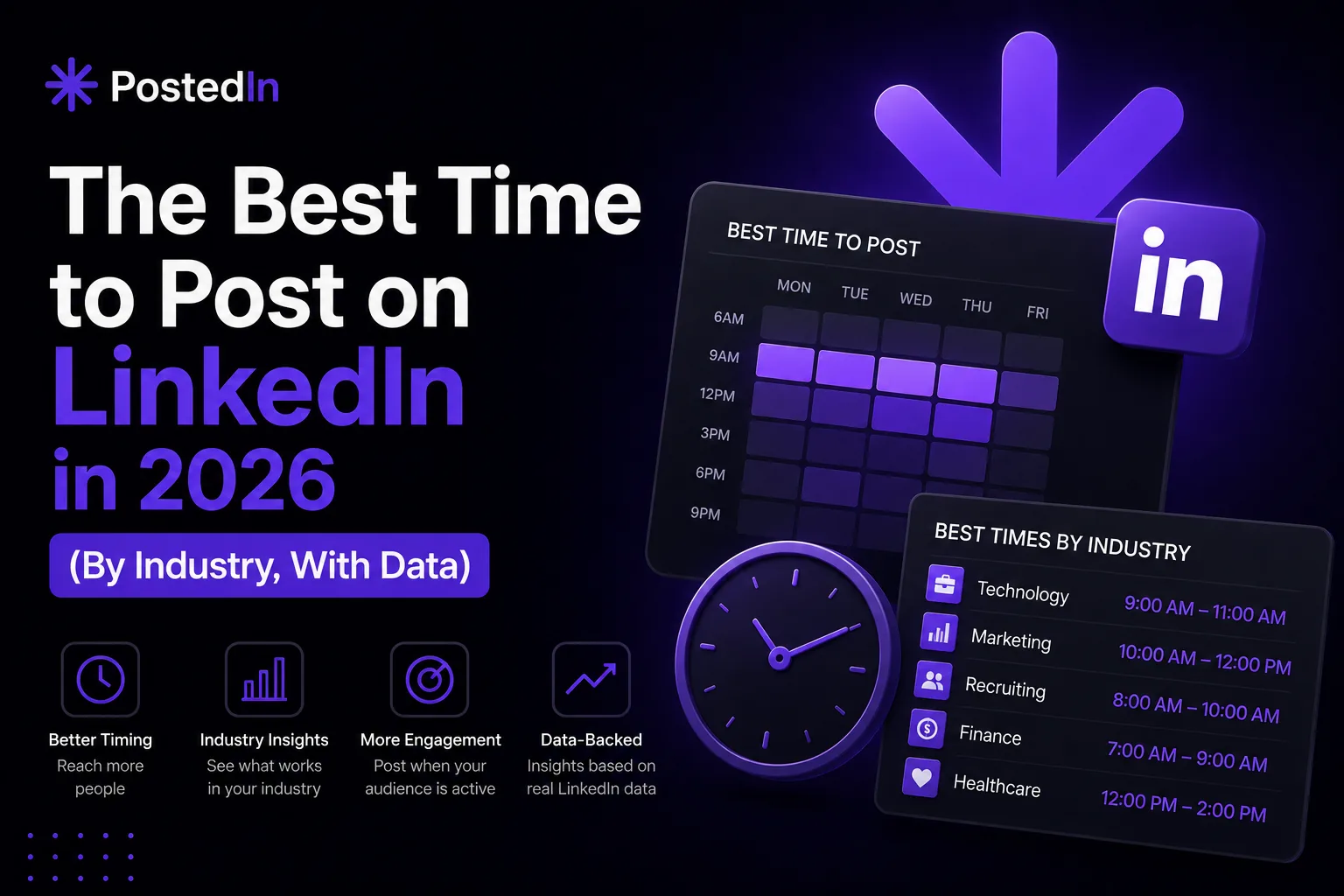
The Best Time to Post on LinkedIn in 2026 (By Industry, With Data)
Wondering why some LinkedIn posts take off and others disappear? Timing plays a bigger role than most people think. Here's what th...
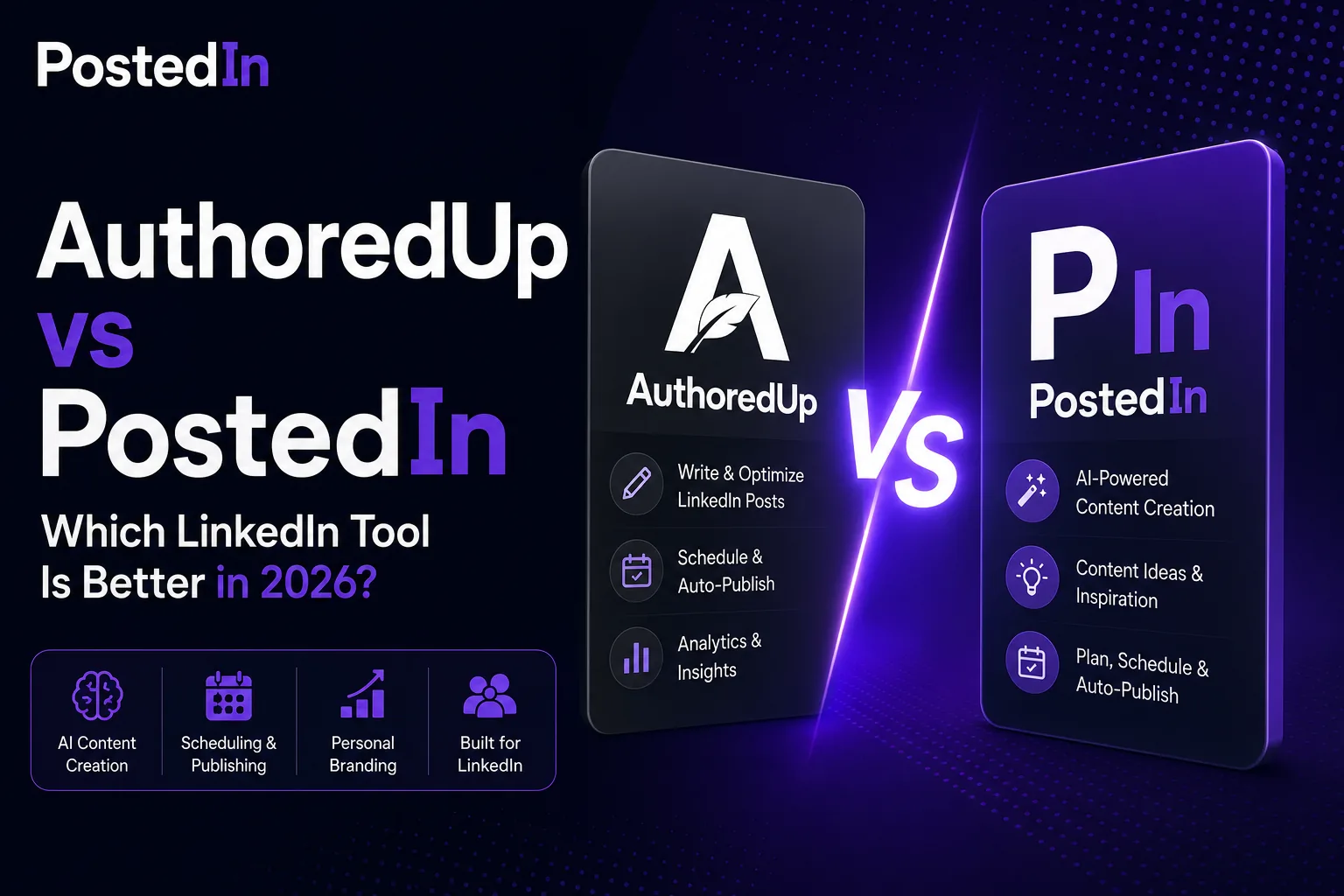
AuthoredUp vs PostedIn: Which LinkedIn Tool Is Better in 2026?
Trying to choose between AuthoredUp and PostedIn? Compare features, workflows, AI capabilities, scheduling, and pricing to find th...
How to Get More Views on LinkedIn in 2026
Struggling to get views on LinkedIn? Discover practical strategies to improve your reach, increase engagement, and grow your audie...